If you’ve ever felt the sinking dread of a gift-giving season approaching, only to realize that your last thoughtful gesture involved novelty socks or another inexplicably scented candle, you are not alone. The pressure to give something memorable—something that screams, "I know you!"—can feel like trying to nail jelly to a wall. We want our gifts to be meaningful cornerstones of connection, not just items shoved into a stocking. But how do we break free from the cycle of predictable purchases and genuinely connect with the person we love? The quest for the perfect gift often feels insurmountable, especially when you are facing the dreaded "I bought him socks last year" predicament. Fear not; mastering the art of thoughtful gifting is less about spending money and more about changing your perspective. By shifting from transactional giving to observational connection, you can transform your approach, ensuring that this year's presents feel genuinely unique and deeply personal.
Understanding the Gift-Giving Dilemma
The core issue with gift buying isn't a lack of available items; it’s a gap between what we buy and what the recipient actually needs or values. We often fall into the trap of giving generic, easily accessible goods because they come with price tags that feel like instant proof of effort. This cycle leaves us perpetually searching for an "upgrade" to last year's mildly forgettable socks.
Why is Gift-Giving So Hard?
Gift giving is inherently complicated because it requires us to accurately predict another person’s emotional state, future desires, and current material needs—all without asking them directly (which can feel tacky). We struggle with the emotional weight of making someone happy through a purchased object. It's a form of applied psychology mixed with commerce.
One common pitfall is focusing on stuff instead of the person. We buy things because they look nice or because we think they are "cool." But true thoughtfulness bypasses the aesthetic and dives straight into the individual’s actual habits, struggles, and passions. Think about it: don't you spend hours deciding what to Additional reading wear for a perfect outing? Gift giving should feel that effortless, yet equally researched.
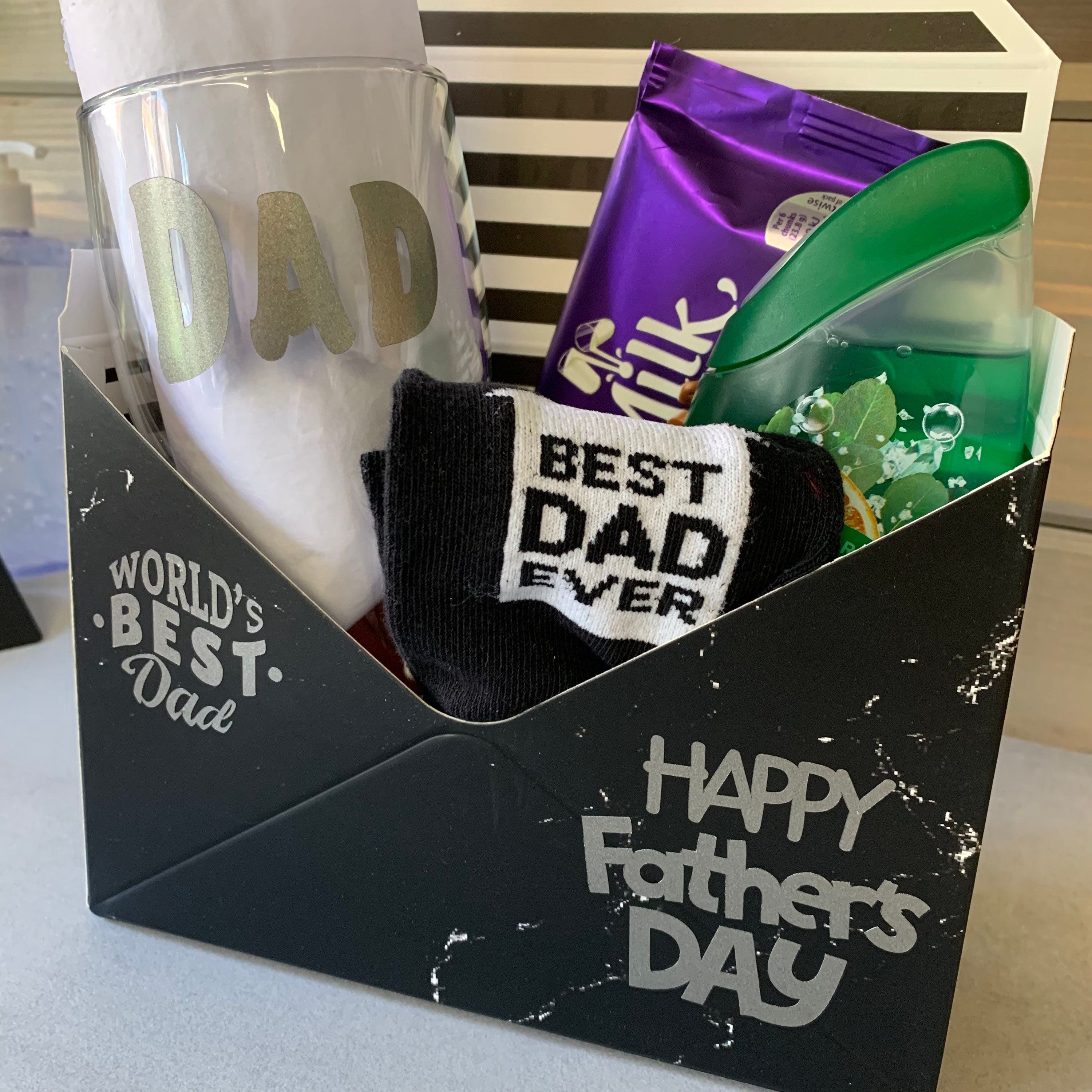
Moving Past Generic Gifts
To escape the rut of predictable purchases, we must view the recipient not as a demographic (e.g., "guy who likes gadgets") but as an individual with a unique narrative. Instead of asking yourself, "What do I buy?" try asking, "What does he talk about when he thinks no one is listening?"
This shift in questioning acts like a compass needle pointing toward genuine interests. If he frequently complains about his coffee routine, the answer isn't another mug; perhaps it’s an artisanal grinder or a subscription to rare beans. The best gifts are usually adjacent to an existing passion, not replacing it entirely. They should feel less like objects and more like helpful extensions of his life.
Strategies for Thoughtful Gifting
Once you understand the emotional mechanics behind poor gifting decisions, you can implement actionable strategies that make your selection process feel less like guesswork and more like detective work. The goal is to give a gift that feels bespoke, even if it’s purchased from a large retailer.
Focus on Experiences, Not Objects
This might be the most revolutionary concept for people stuck in the socks cycle. Why buy something that will gather dust—another gadget, another sweater—when you can give a https://travisppjf410.swiftnestly.com/posts/beyond-the-bow-experience-gifts-that-make-memories-last-forever memory? Experiences are gifts that cannot be depreciated; they simply accumulate wonderful stories.
Instead of trying to find the perfect item, consider finding a shared activity. This could be tickets to a niche museum exhibit he’s mentioned, a specialized cooking class focusing on Peruvian cuisine, or even an outdoor adventure like kayaking on a local river. An experience shows effort because it requires coordinating time and interest, which is far more valuable than mere money spent on merchandise.
The Power of Hyper-Personalization
Hyper-personalization means treating the gift as if it were designed solely for that single person, ignoring mass-market trends entirely. It’s about finding the intersection between their unique hobby and a high-quality solution to a minor inconvenience in their life.
Consider this anecdote: My friend was constantly complaining about how hard it was to keep his books organized when traveling. Instead of buying him more bookshelves (a generic gift), I found a specialized, minimalist book cradle designed for airplane trays. It solved an unspoken problem that he frequently complained about, and the gift felt incredibly intuitive—like I had been listening closely all along.
Remember this advice: "The best gifts are not things; they are moments." A great way to achieve this level of insight is to become a subtle observer. What does he always complain about? What does he spend his free time doing, even if it's just staring at the rain? Those little clues are the map to solving the 'I bought him socks last year' gift problem.
Elevating Your Selection Game
If experiences feel too ambitious or your budget is tight, there are still ways to elevate a physical gift into something profoundly meaningful. The key here is curation and presentation—making the whole package feel cohesive and highly considered.
The Gift of Knowledge and Skill
Sometimes the best gift isn't an item at all; it’s access to knowledge or skill. This might take the form of a membership to an online learning platform tailored to his interests (e.g., coding, language acquisition), a donation in his name to a charity he cares about, or a beautifully curated book collection related to his favorite historical period.
A truly thoughtful gift is never obvious. It often requires putting together several small pieces—a specific type of tea, a beautiful journal, and a pen that works perfectly with it—and making the recipient feel like an expert on the subject matter simply by receiving them. What if you could give him the feeling of discovery?
Making Your Selection Count
Ultimately, the goal is to make your loved one feel seen. The material object is just a proxy for the time and attention you invested in thinking about their specific life. When you approach gift-giving as an act of deep listening—as if you are solving a mystery about his happiness—the resulting present will carry weight far beyond its cost.
By committing to observation, embracing experiences, and focusing on hyper-personalization, the dread that accompanied last year's socks will dissipate. You’ll realize that the secret ingredient isn't luxury; it's attention. This approach transforms gift buying from a stressful chore into a delightful act of connection. Go forth, observe carefully, ask better questions, and watch your gifting confidence soar!